
Service
EMDR Therapy
Eye Movement Desensitization and Reprocessing – a research-backed way to help the brain finish processing what got stuck.
EMDR (Eye Movement Desensitization and Reprocessing) is one of the most researched therapies for trauma, anxiety, and distressing memories. Instead of talking through the story again and again, EMDR uses gentle bilateral stimulation – guided eye movements, taps, or tones – to help your brain reprocess what happened so it loses its charge. You stay in control the whole time, and we move at your nervous system’s pace.
Many people come to EMDR after years of talk therapy that helped them understand their past but didn’t change how it feels in their body. EMDR works directly with the memory networks where those experiences are stored, so the shifts tend to be felt, not just understood.
EMDR is not hypnosis and you are never out of control. You remain awake, aware, and able to pause at any moment. Your therapist guides the process, checks in often, and helps you stay within a tolerable range – enough contact with the memory to process it, never so much that you’re overwhelmed.
Who this is for
- PTSD & single-incident trauma
- Distressing memories that won't fade
- Anxiety, panic & phobias
- Grief, loss & major life transitions
Our approach
- EMDR (8-phase protocol)
- Bilateral stimulation
- Resourcing & stabilization
- Somatic & attachment-informed
What to expect
How the work unfolds, step by step.
Step 1
A gentle intake call
A 15-minute call to hear what’s bringing you in and answer your questions about how EMDR works.
Step 2
History & preparation
Early sessions map what you want to work on and build calming resources you can use anytime, in and out of session.
Step 3
Processing sessions
Using guided eye movements or taps, we help your brain reprocess targeted memories so they lose their emotional charge.
Step 4
Integration
We close each session with grounding and help you carry the shifts into daily life – relationships, work, and how you feel in your body.
What you'll need
A few things to come prepared with.
- A private, quiet space (especially for telehealth EMDR sessions)
- No need to share every detail of what happened - EMDR works even when you keep the story private
- Capacity to attend regularly, since continuity supports the processing
- Curiosity and permission to go at your own pace
You don't have to keep reliving it.
Book a free, no-pressure 15-minute call. We’ll answer your questions about EMDR, hear what you’re carrying, and match you with an EMDR-trained clinician.
Choose your associate
Pick the associate you'd like for your discovery
call.
Not sure who's the right fit? Reach out and our intake team will help you decide.
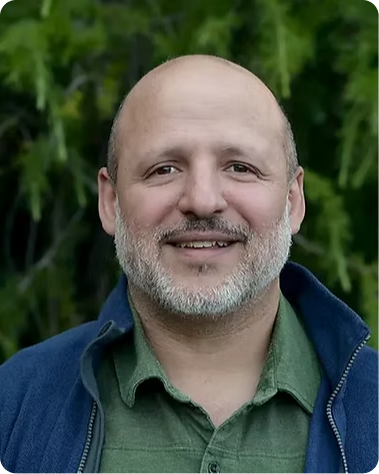
Spencer Campbell,, LMFT
Director, Psychotherapist
I am currently offering Transpersonal Psychotherapy, which focuses on establishing access...
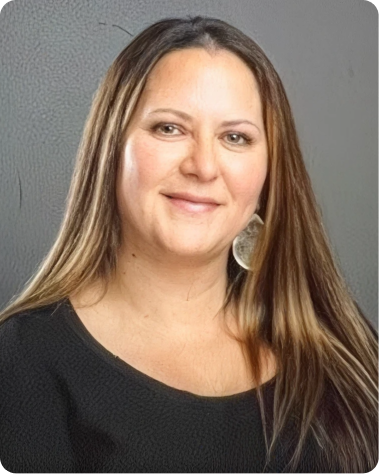
Kendra Matott - Intake coordinator
As the Clinical Intake Coordinator,
I'm often the first person you'll connect with when reaching out for support, and I consider that a privilege...
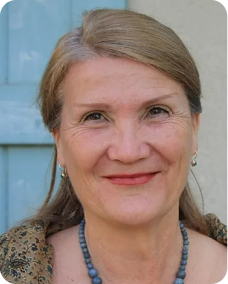
Agnes Cartry-Jacobsen, LMFT
Psychotherapist
I have been a Healing Arts practitioner for over 19 years in the fields of Hypnotherapy, Somatic Healing...

Margo, AMFT
Associate Marriage & Family Therapist
Margo brings a warm, attuned style to depth-oriented therapy. She supports clients in slowing…

Brian Allen, AMFT
Psychotherapist
Whether you are looking for deep healing and transformation or support with life’s daily challenges...
Explore more
Couples & Relationships
Repair, deepen, and transform the patterns relationship is designed to reveal.
Family Therapy
Healing for the whole system — parents, teens, adult children, and blended families.
Take the first step. We'll meet
you there.
A free, no-pressure 15 minute call with our intake team — to see if
we’re the right fit.
- Nevada City, CA · Telehealth statewide
- Mon–Thu 8–7, Fri 8–5 · Weekends closed