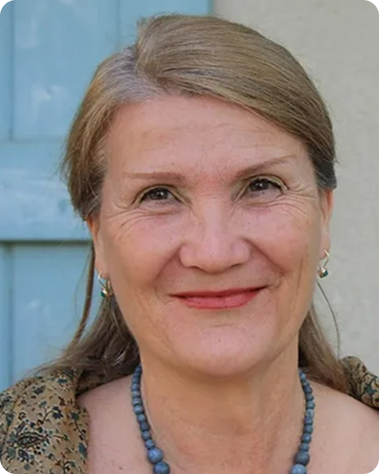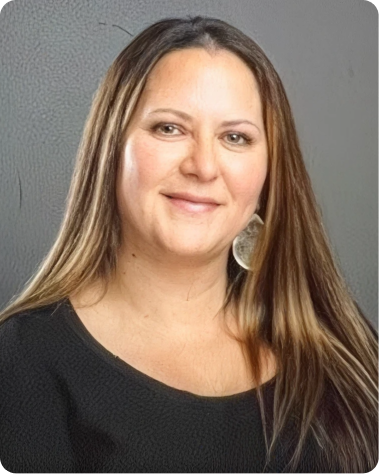

With Christina Giffin, AMFT
Nevada City, California
Child & Adolescent Therapy
A place to feel seen. Room to grow.
Warm, holistic support for children, tweens, and teens. Christina brings nearly two decades of experience with young people to a relationship grounded in curiosity, respect, and care.

Meet Frankie, Christina's therapy bunny.

Meet Christina Giffin
Walking alongside young people for nearly two decades.
Parent · Neurodivergent · Formerly Rebellious
Associate Marriage and Family Therapist
AMFT #165520
Practicing under licensed clinical supervision at the
Center for Transformational Therapy.
For nearly two decades, I’ve had the honor of supporting young people through growth, transition, and healing. My work is grounded in deep respect for each family’s story and shaped by both extensive professional experience and my own lived experience as a parent, a neurodivergent person, and a once-rebellious teen.
I approach therapy with warmth and curiosity, holding a strong belief in each person’s innate capacity for resilience, connection, and healing.

01
A long history with young people
Early in my career, I worked with adolescents in a Level 14 residential treatment center, supporting youth with complex emotional and behavioral needs. I later worked with the City of Sacramento, supporting hundreds of economically disadvantaged young people through life-skills development, work readiness, leadership opportunities, and empowerment-focused programming.
Those experiences helped shape my belief that young people need relationships in which they feel genuinely seen, respected, and understood.
02
Finding my way to therapy
After beginning my own parenting journey, I relocated with my family to Nevada City and continued working with young people, first at Yuba River Charter School and later with the Nevada County Superintendent of Schools, where I helped introduce entrepreneurship curriculum across several charter schools.
While I valued contributing to larger community initiatives, I realized how deeply I missed direct, relational work with youth and their families. That realization ultimately led me back to school to become a therapist.
03
Rooted in community
I completed my graduate education at the California Institute of Integral Studies (CIIS) in San Francisco, where my training emphasized holistic, culturally responsive approaches, liberation psychology, and transpersonal perspectives.
My clinical experience has also included serving Sierra Native Alliance, a community wellness organization supporting Native American individuals and families. Working at the intersection of Native traditional healing practices and Western psychology has continued to deepen the way I think about relationship, culture, community, and healing.
Christina's approach
Supporting Young Hearts Through Growth, Loss or Change
I specialize in working with children, teens, and their families, as well as adults who are young at heart. Early intervention is well supported as a powerful contributor to lasting change. When a child or teen has experienced trauma, loss, major life transitions, academic stress, or challenges related to neurodivergence, learning, or emotional regulation, therapy can offer meaningful opportunities to shift their developmental and relational outcomes.
The brains of children and adolescents are still developing, and neural pathways are continually being formed and strengthened through experience. Over time, these pathways shape patterns of emotion, bodily sensation, thought, and behavior. I often describe young children as highly malleable, like putty, while teens are more like soft clay: still flexible, though beginning to hold form. Therapy offers a supportive space where I can work alongside families to better understand patterns of distress, address underlying wounds, and support healing in ways that are sustainable over time.
Oaklander Play Therapy
Violet Oaklander Play Therapy is a Gestalt-based approach commonly used in child therapy that supports children in bringing unconscious experiences into everyday awareness. Through play-based and expressive tools such as sand tray, dollhouse, art, clay, figurines, and projection cards, clients are invited to explore their inner and outer worlds in ways that feel natural and accessible. This increased awareness often supports improved emotional expression, communication, and family and social dynamics. When autonomy is an important part of a child's healing process, Christina offers a client-led approach while prioritizing safety, trust, and the therapeutic relationship.
TF-CBT
Trauma-Focused Cognitive Behavioral Therapy (TF-CBT) is an evidence-based approach designed to support children and teens who have experienced trauma, loss, or overwhelming life events. TF-CBT helps young people build emotional regulation and coping skills while gradually and safely processing difficult experiences. Caregivers play an essential role in this model, and their involvement supports connection, communication, and healing beyond the therapy room. When offered in a developmentally attuned and relational way, TF-CBT can reduce trauma-related symptoms while helping children and teens regain a sense of safety, resilience, and self-trust.
Brainspotting
Brainspotting, often described by the phrase “Where you look affects how you feel,” is a trauma-informed modality developed by David Grand. A “brainspot” refers to an eye position that can access stored emotional or somatic experiences. Emerging from EMDR, Brainspotting allows for deep, body-based processing without the pressure of talk therapy. Clients are gently guided to notice sensations, emotions, or thoughts that arise while maintaining clinically indicated eye positions. When working with children, Christina often incorporates developmentally appropriate focal points such as decorated popsicle sticks or stuffed animals to support engagement and regulation.
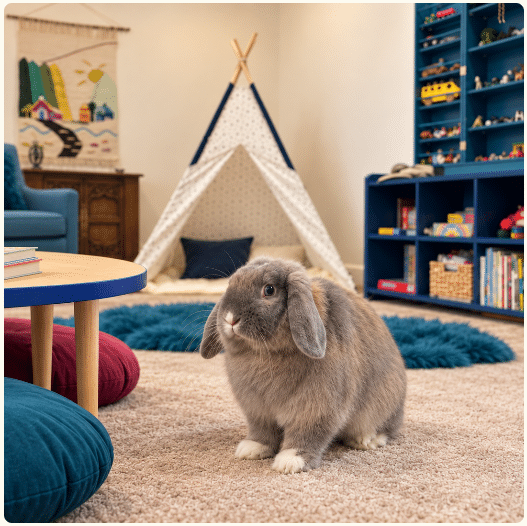
Meet Frankie
Our therapy bunny
Frankie is a soft, welcoming presence in the therapy space. She doesn’t ask questions or expect anything. She simply shows up, offering a calm, nonjudgmental connection that many children and teens respond to right away, especially those who feel anxious, overwhelmed, or unsure how to express themselves.
01
Why a therapy bunny?
Children don’t always connect through conversation. Sometimes relationship begins through play, movement, curiosity or simply sitting quietly beside an animal.
Animals can offer a different kind of presence. There is nothing to explain, no right thing to say and no expectation to perform. For some children, that can make the therapy room feel a little safer and connection come a little more naturally.
02
How Frankie joins therapy
Frankie may be included in sessions when it feels supportive and appropriate. She may help with emotional regulation, offer a shared focus when conversation feels like too much, or become part of a child’s stories and play.
Gentle interaction with animals has been associated with reduced stress and increased feelings of safety and connection.
03
Following Frankie’s lead
Frankie has her own boundaries and her own choice about how she participates. Children are never expected to interact with her.
We always follow Frankie’s lead and honor what feels right for everyone in the room. Sometimes Frankie is close by. Sometimes she’s resting. Her presence is always an invitation, never a requirement.
Education & training
- M.S., Integral Counseling Psychology - California Institute of Integral Studies (CIIS)
- Brainspotting - 50 Hours of Advanced Training; Certification in Progress
- TF-CBT - Required Training Completed; Certification Pending Licensure
- Violet Oaklander / Gestalt Play Therapy - Required Training Completed; Certification in Progress
- Ongoing training in trauma-informed care, expressive arts, and mind-body approaches
Selected experience
- Sierra Native Alliance - Behavioral Health Counselor
- Nevada County Superintendent of Schools - Curriculum & Community Partnerships
- City of Sacramento - Youth Development Specialist
- Yuba River Charter School - Assistant Business Manager
- Level 14 Residential Treatment Center - Counselor
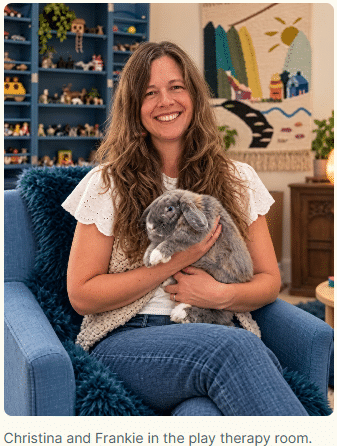
Beginning together
A first conversation, not a commitment.
Connect with Christina to share what’s bringing your family to therapy, ask questions, and explore whether her approach feels like the right fit. Together, you can discuss how play, creative expression, and conversation might support your child or teen.
Before your first visit
- Bring your questions, hopes, and any concerns you want Christina to understand.
- Ask about consent forms, caregiver involvement, and custody documentation that may apply to your family.
- Share relevant school supports or prior assessments if you would like to.
- Discuss fees, coverage, and any preferences about Frankie before scheduling.
Before We Begin
What to expect
Starting therapy can come with a lot of questions, for parents, and for young people too. I created these guides to help you get a feel for how I work, what you can expect from therapy, and some of the practical pieces that are helpful to know before we begin.
You’ll find separate guides for children and their caregivers and for teens and their caregivers, with information about my approach, privacy, parent involvement, practice policies, fees, and what the therapy process may look like.
My hope is that these pages make the beginning of therapy feel a little more familiar, transparent, and welcoming, so you and your child can arrive knowing what to expect.
Child & adolescent therapy with Christina
Let's make room for your child's next chapter.
Christina is the center’s current child and adolescent therapy provider. Reach out to start a conversation about your family.